
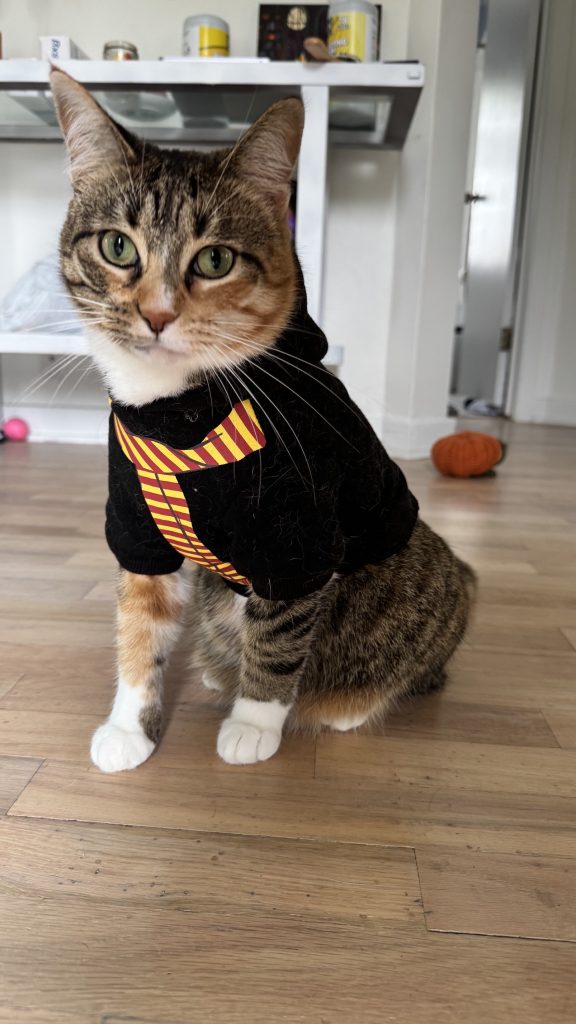
Halloween is full of tricks, treats, and spooky fun, but some of our favorite candies can be dangerous—and even deadly—to our furry friends! At Willoughby Veterinary Hospital, we want to help keep your pets safe this Halloween by sharing some common candy-related hazards and what to do if your pet gets into the trick-or-treat stash.
🍫 Chocolate: A Dangerous Treat
Chocolate is one of the most common Halloween hazards for dogs. It contains theobromine and caffeine, which can be toxic to pets. The darker the chocolate, the greater the risk.
- White chocolate: Very low in theobromine, but its fat and sugar content can still cause gastrointestinal upset or pancreatitis.
- Milk chocolate: Can cause toxicity, especially when larger amounts are consumed.
- Dark chocolate and baking chocolate: Contain much higher concentrations of theobromine and can cause severe poisoning, even in relatively small amounts.
Signs of chocolate toxicity include:
- Vomiting and diarrhea
- Restlessness or hyperactivity
- Increased heart rate
- Excessive thirst and urination
- Tremors, seizures, or collapse in severe cases
Symptoms may take several hours to develop, so don’t wait for your pet to act sick before seeking veterinary advice.
🍬 Sugar-Free Candy & Xylitol: A Hidden Danger
Some sugar-free candies, gums, and mints contain xylitol, a sweetener that is extremely toxic to dogs.
Even small amounts can cause a rapid and potentially life-threatening drop in blood sugar. Larger exposures can also lead to severe liver damage or failure.
Signs of xylitol poisoning may include:
- Vomiting
- Weakness or lethargy
- Difficulty walking or loss of coordination
- Tremors or seizures
- Collapse
Xylitol may also be listed as birch sugar on ingredient labels.
Important: If your dog consumes a product containing xylitol, seek emergency veterinary care immediately—even if they seem completely normal.
🍭 Gummies, Hard Candy & Other Sweet Treats
Not all dangerous Halloween treats contain chocolate or xylitol!
Sugary candy: Large amounts of sugar can cause vomiting and diarrhea. High-fat treats may also trigger pancreatitis, a painful and potentially serious inflammation of the pancreas.
Gummy candies: These can cause gastrointestinal upset, and certain specialty gummies may contain THC or other ingredients that are toxic to pets.
Hard candies: These pose a choking hazard, especially for smaller dogs, and can occasionally cause intestinal obstruction if swallowed whole.
Raisins and grapes: Some Halloween snacks and trail mixes contain raisins, which can cause acute kidney injury in dogs. Even small amounts may be dangerous.
🍬 Don’t Forget About Candy Wrappers!
Sometimes the candy isn’t the only problem!
Dogs may swallow wrappers, foil, plastic, or even entire bags while trying to get to the treats. These materials can cause choking, gastrointestinal irritation, or intestinal blockages that may require surgery.
Watch for repeated vomiting, decreased appetite, abdominal discomfort, or difficulty passing stool after a suspected ingestion.
🐶 What Should You Do If Your Pet Eats Halloween Candy?
If your pet gets into the Halloween candy, don’t wait for symptoms to appear!
- Identify what was eaten. Check the candy packaging and ingredient list.
- Estimate how much was consumed. The type and amount of candy, along with your pet’s weight, help determine the risk.
- Contact your veterinarian or an emergency veterinary hospital immediately.
- Do not induce vomiting at home unless specifically instructed by a veterinary professional. Some situations can make vomiting dangerous.
If you cannot reach a veterinarian, you can also contact:
- ASPCA Animal Poison Control: (888) 426-4435
- Pet Poison Helpline: (855) 764-7661
Consultation fees may apply.
🎃 Tips for a Pet-Safe Halloween
A little prevention goes a long way!
- Keep candy bowls and trick-or-treat bags out of your pet’s reach.
- Remind children not to share Halloween candy with pets.
- Dispose of candy wrappers in secure trash cans.
- Keep purses, backpacks, and candy bags off the floor.
- Offer pet-safe treats so your furry friends can join in the Halloween fun!
🧡 Have a Safe & Happy Halloween!
Halloween should be a fun celebration for the whole family—including our four-legged companions! By keeping candy safely stored and knowing which treats are dangerous, you can help prevent an unexpected veterinary emergency.
If you suspect your pet has eaten something toxic, contact your veterinarian right away. Early intervention can make a significant difference!
Happy Halloween from all of us at Willoughby Veterinary Hospital! 🎃🐾
📞 517-694-2171